
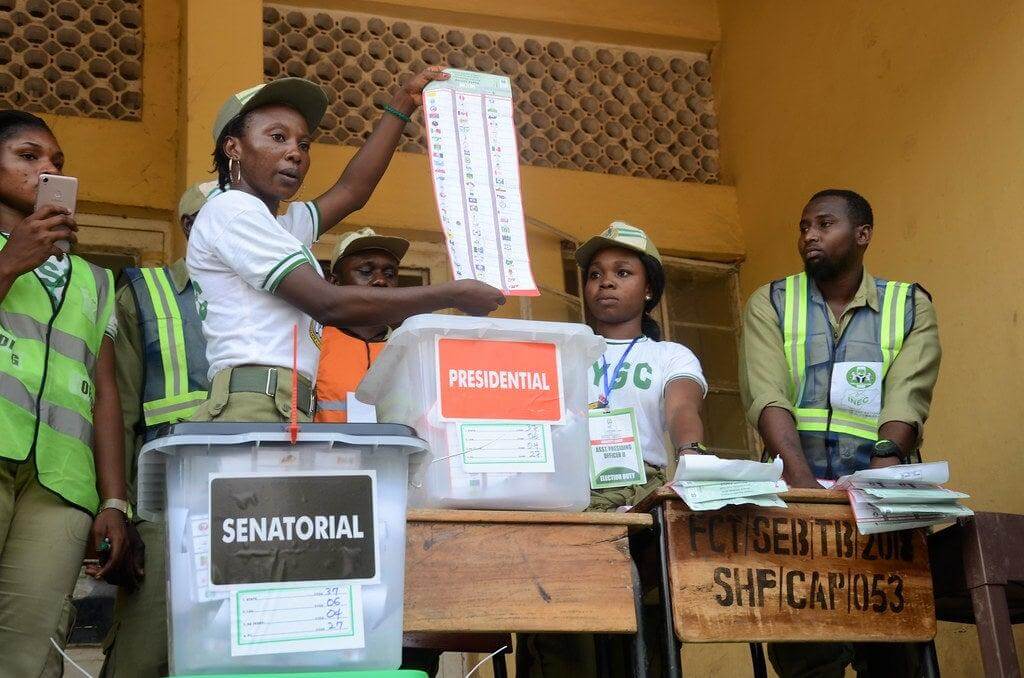
Election monitoring has long been the cornerstone of democratic processes. For decades, elections have relied on human observers, manual reporting, and centralized collation to ensure transparency.
But let's be clear: traditional election monitoring methods were built for a slower, simpler world.
Today’s elections demand speed, scale, and intelligence, and that’s exactly where they fall short.
To understand how modern systems are reshaping election oversight, read our in-depth breakdown of
How Altirev is Transforming Election Monitoring in NigeriaWhat Are Traditional Election Monitoring Methods?
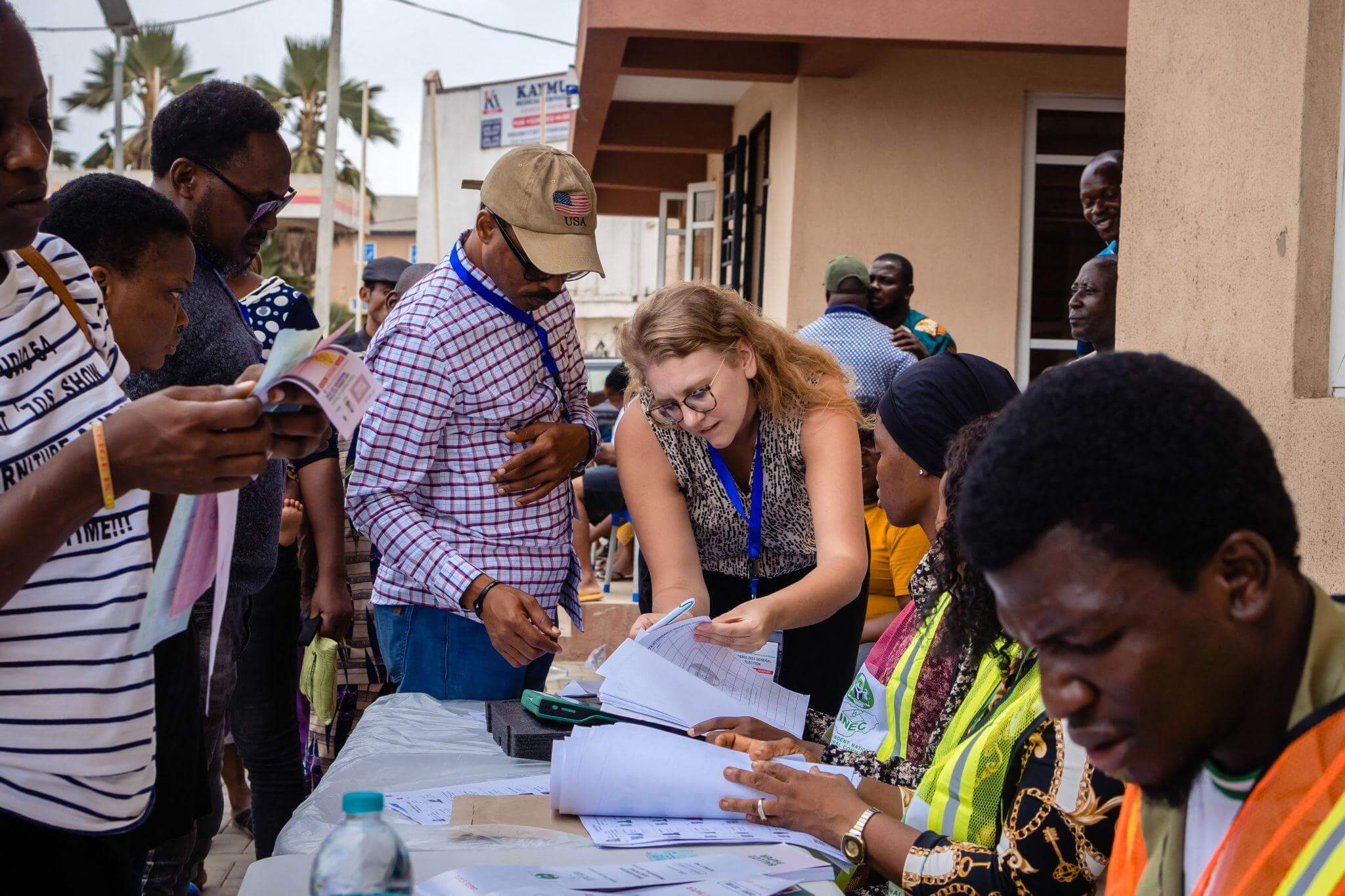
Traditional election monitoring typically involves:
- Physical observers stationed at a limited number of polling units
- Manual recording of results on paper forms
- Reporting via phone calls, SMS, or physical submission
- Step-by-step collation from polling units to national level
- Manual post-election verification and analysis
These methods formed the groundwork for electoral accountability, but they are inherently slow, fragmented, and vulnerable to human error, delays, and manipulation, making it difficult to deliver the level of transparency modern elections demand.
The Core Limitations of Traditional Monitoring
Delayed Reporting

Results often take hours, or even days, to move from polling units to collation centers. By the time discrepancies are discovered, the opportunity to respond has already passed.
Human Error
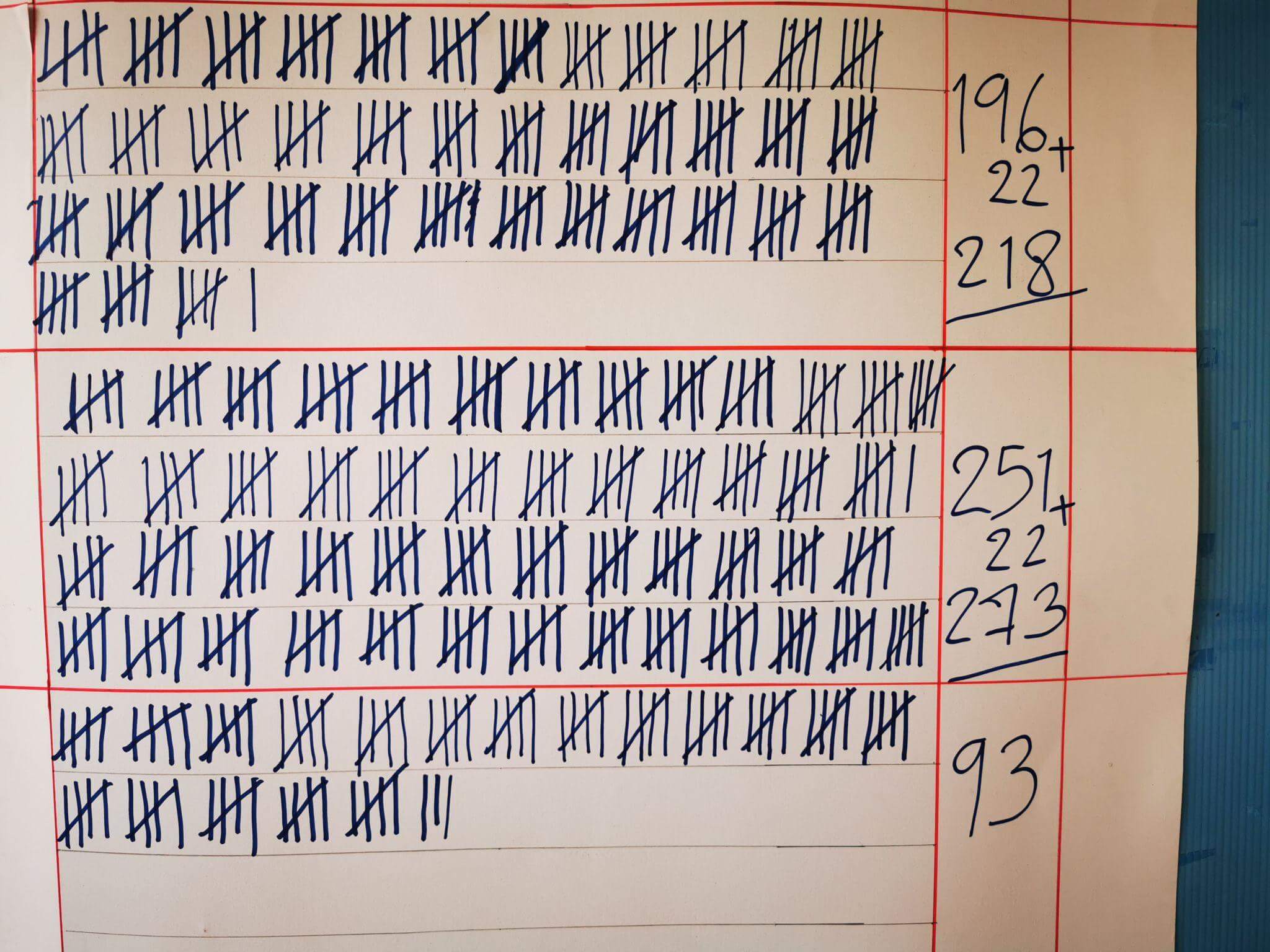
Manual systems are inherently fragile:
- Incorrect figures recorded
- Miscommunication between levels
- Missing or incomplete reports
Even small errors can cascade into major inconsistencies.
Lack of Real-Time Visibility

During elections, stakeholders operate with limited information:
- Citizens rely on unofficial updates
- Media lacks structured, verified data
- Political parties react without full visibility
There is no reliable, real-time source of truth.
Weak Verification Systems
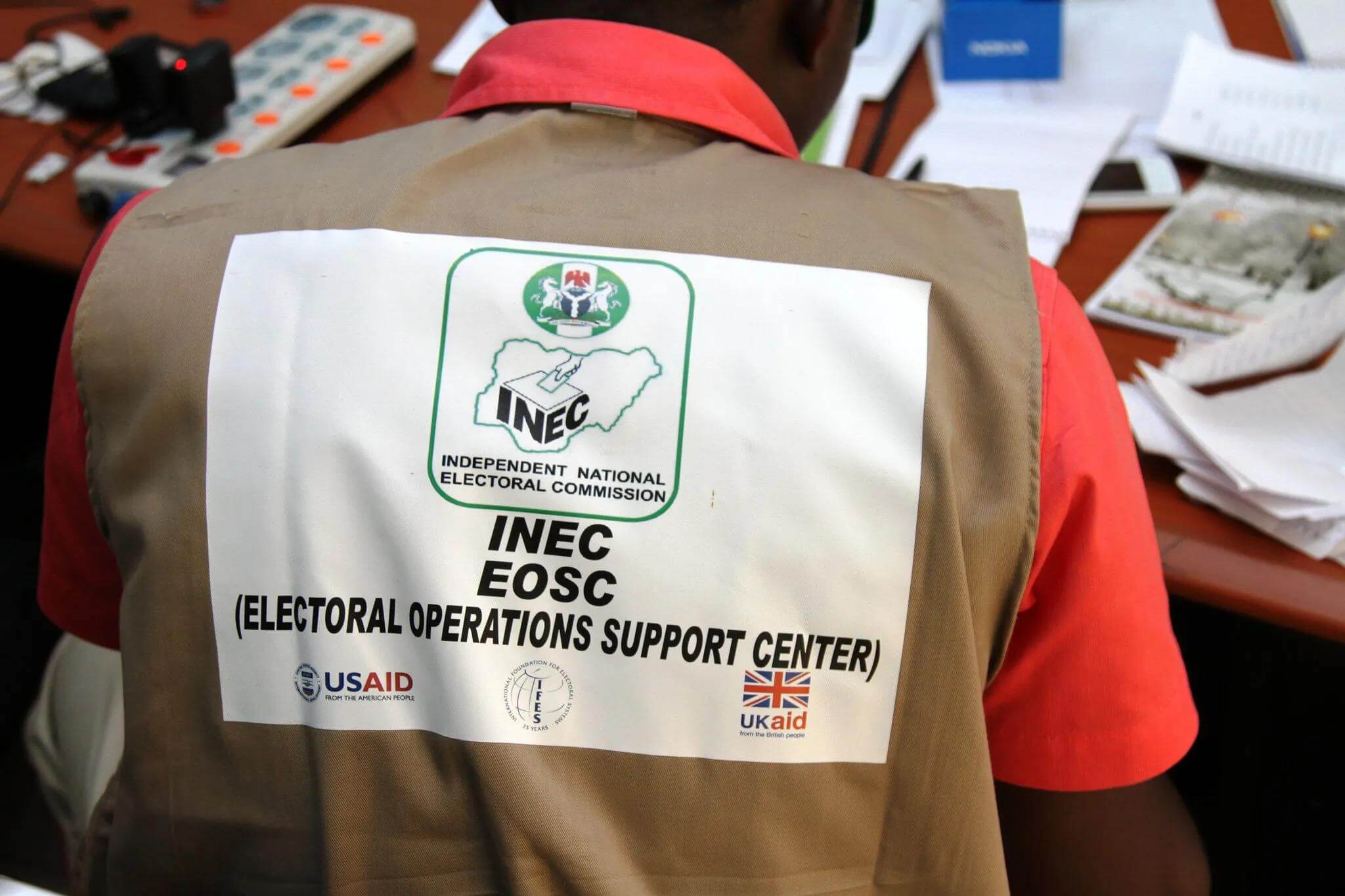
Traditional systems struggle to:
- Cross-check results across multiple levels
- Detect inconsistencies automatically
- Identify suspicious voting patterns early
Most issues are discovered after the election, not during it.
Poor Scalability
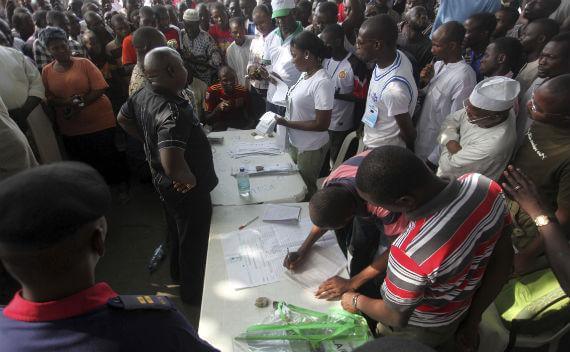
Monitoring thousands of polling units manually becomes:
- Logistically complex
- Resource-intensive
- Difficult to coordinate effectively
This creates gaps that can be exploited.
How Altirev Changes Everything

Altirev is not just a monitoring tool, it is a real-time election intelligence platform built for transparency, verification, and scale.
Real-Time Data Reporting
Altirev enables:
- Instant submission of polling unit results
- Live updates across the platform
- Real-time public dashboards
This eliminates delays and keeps all stakeholders aligned as events unfold.
Election Intelligence Engine (EIE)

Altirev’s real-time election verification system.
- Analyses data across all levels of collation
- Detects inconsistencies automatically
- Flags anomalies in real time
- Identifies suspicious patterns instantly
Instead of waiting for post-election audits, issues are detected as they happen.
Structured Multi-Level Data Flow
Election data is organized and synchronized across:
- Polling Unit (PU)
- Ward
- Local Government Area (LGA)
- State
- National
Each level is connected, verifiable, and consistent.
Verified Digital Evidence
Altirev supports structured, verifiable inputs such as:
- Polling unit reports and results
- Observer reports
- Images and video uploads
This creates a tamper-resistant digital audit trail.
Built for Scale
Altirev is designed to handle:
- Hundreds of thousands of polling units
- Millions of concurrent users
- Nationwide election monitoring in real time
Traditional systems simply cannot operate at this level efficiently.
Public Transparency Layer

Altirev introduces a critical feature missing in legacy systems:
Real-time public visibility
- Citizens can follow election progress live
- Media gains access to structured data
- Stakeholders independently verify trends
This reduces misinformation and builds trust.
Direct Comparison: Altirev vs Traditional Monitoring
| Feature | Traditional Monitoring | Altirev |
|---|---|---|
| Reporting Speed | Delayed (hours/days) | Real-time |
| Data Accuracy | Prone to human error | Structured + validated |
| Verification | Manual | Automated (EIE) |
| Transparency | Limited | Public real-time access |
| Scalability | Low | High |
| Anomaly Detection | Post-election | Real-time |
Why This Shift Matters
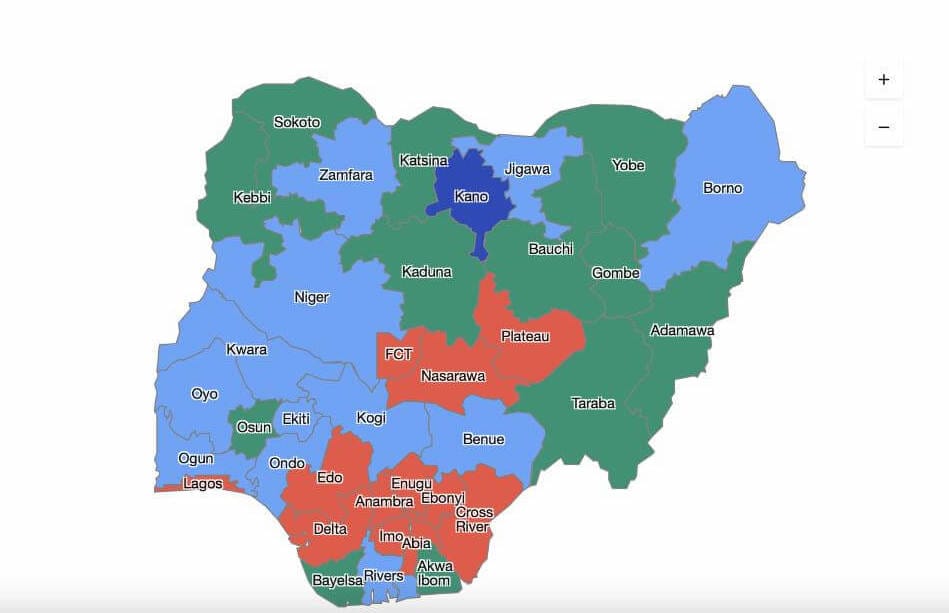
Elections today are not just about voting, they are about trust, speed, and accountability.
Traditional systems struggle to keep up with:
- The speed of modern information flow
- The scale of nationwide elections
- The sophistication of manipulation tactics
Altirev addresses all three by combining:
- Real-time reporting
- Intelligent verification
- Scalable infrastructure
Traditional election monitoring laid the foundation for electoral accountability, but it is no longer sufficient on its own.
Altirev represents the next evolution:
- Faster
- Smarter
- More transparent
- More reliable
In an era where election credibility is constantly tested, real-time intelligence is no longer optional, it is essential.
Download Altirev on App Store and Google Play Store. Sign Up to become a trusted election Observer.
Next read 👉 Why Real-Time Election Data Matters: The Altirev Approach